Deep in the Heart of Zanskar: Discover Phugtal Monastery
Tucked away in the rugged mountains of Ladakh’s remote Zanskar Valley lies one of the world’s most isolated and awe-inspiring Buddhist monasteries — Phugtal Monastery, also known as Phugtal Gompa. For centuries, this incredible cave monastery has stood as a symbol of peace, solitude, and spiritual wisdom.
A Monastery Built into a Cliff
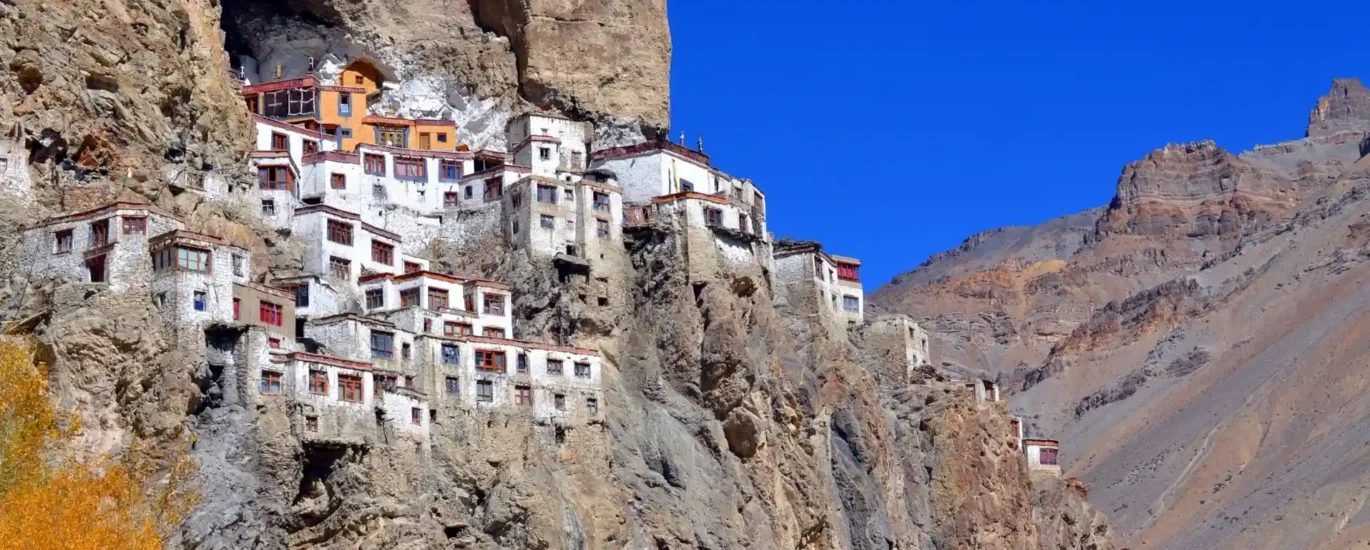
Phugtal Monastery appears like something out of a fairytale. Perched dramatically on a cliff face, it seems to grow out of the rock itself. The name Phugtal means Cave of Liberation, and true to its name, the monastery is built around a massive natural cave that has served as a place of meditation for sages and monks for over a thousand years.
Founded in the early 12th century by Gangsem Sherap Sampo, a follower of the Gelug school of Tibetan Buddhism, Phugtal remains a living monastery. Around 70 monks call it home, carrying on ancient rituals and monastic education amidst stunning Himalayan scenery.
A Journey Worth the Trek
Reaching Phugtal is not easy — and that’s part of its magic. There are no roads that lead to this hidden sanctuary. Travelers must trek for hours, often starting from the village of Cha or Anmu, passing through wild valleys, hanging bridges, and narrow mountain trails. The Lungnak River keeps you company, its emerald waters winding through dramatic canyons.
The trek itself is an adventure — and when the monastery finally appears, clinging to the cliff like a honeycomb, it feels like a reward for the soul.
Inside the Cave of Liberation
The monastery complex is a maze of prayer halls, small rooms, libraries, and kitchens. At its heart is the ancient cave where great masters meditated and taught disciples. Frescoes and wall paintings depicting Buddhist legends adorn the interiors, adding to the monastery’s timeless aura.
Travelers often describe the atmosphere as serene, with the sound of the river echoing through the valley and the fluttering prayer flags adding color to the stark landscape.
Why Visit Phugtal Monastery
Visiting Phugtal Monastery is not just about seeing a historical site — it’s about experiencing an authentic slice of Himalayan spirituality and the raw beauty of Zanskar’s landscapes. It’s a journey that tests your endurance but gifts you priceless memories in return.
Travel Tips for Phugtal
- Best Time to Visit: June to September, when the weather is clear and trekking routes are open.
- How to Get There: The nearest major town is Padum in Zanskar. From Padum, drive to the starting point of the trek (Cha, Anmu, or Purne) and then trek for about 6–8 hours.
- Where to Stay: Basic homestays are available in nearby villages. Travelers can sometimes stay at the monastery guesthouse with prior permission.
- Respect the Culture: Dress modestly, ask before taking photos of monks, and respect the monastery’s quiet atmosphere.
Walk with Himwalk
At Himwalk, we believe journeys like this are the heart of true travel — slow, mindful, and soul-stirring. If you dream of visiting Phugtal Monastery, join one of our curated Zanskar treks, where we handle the logistics while you soak in the experience.
Ready to trek into the hidden heart of Zanskar?
Let Himwalk guide you there.